


Colors Of Winter From Tokyo To Seoul: 7 Nights 9 Days Japan Korea Tour
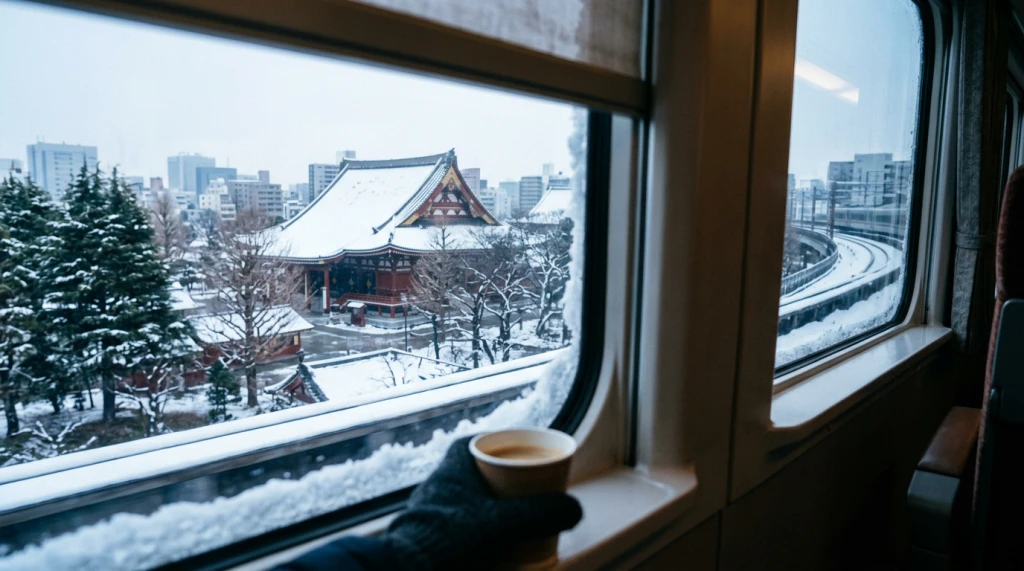
Colors of Winter from Tokyo to Seoul: 7 Nights 9 Days Japan Korea Tour
The winter season offers a particularly impressive atmosphere for those wishing to explore the Far East in a single trip, experiencing both Japan's traditional texture and South Korea's modern city life. The route, stretching from Tokyo's high-paced urban life to the serene views of Mount Fuji, from Kyoto's historic surroundings to Seoul's energetic streets, brings together culture, city exploration, and nature experiences in one program.
The Grand Japan Korea Tour NRT-ICN THY 27101, departing from Istanbul, offers a comprehensive Far East itinerary starting in Tokyo and continuing in Seoul with a 7-night, 9-day schedule. The tour's next departure dates are January 22, 2027, January 23, 2027, and January 25, 2027. These dates, falling during the January semester break period, stand out for planning purposes for those wishing to experience the unique city atmosphere of the winter season.
From Istanbul to Tokyo: The city where winter begins
The program begins with a direct, non-stop flight from Istanbul to Tokyo Narita Airport via Turkish Airlines' scheduled service. Within the tour scope, economy class air tickets are included for the Istanbul–Tokyo, Tokyo–Seoul, and Seoul–Istanbul routes, while the Osaka–Seoul transfer is also conducted via a scheduled economy class flight by local airlines.
Tokyo is a special starting point where tradition and future meet on the same street. On one hand, the intensity of contemporary city life is felt; on the other, the Japanese cultural understanding of order, aesthetics, and tranquility is evident. When exploring the city during winter months, it is beneficial to dress in layers, choose comfortable and non-slip shoes for long walks, and be prepared for weather conditions that can change throughout the day.
Mount Fuji, Oshino Hakkai, and Hakone Route
After Tokyo, the route brings together Japan's iconic natural and cultural stops. Mount Fuji, as one of the country's most recognized landscapes, gives the itinerary a strong visual character. Oshino Hakkai is one of the standout stops for feeling the traditional atmosphere around Fuji.
The Hakone and Lake Ashi section offers an opportunity to see Japan's calmer side away from urban density. For those wishing to take photos at these scenery-focused stops during the winter season, having spare batteries and wearing outerwear suitable for cold weather is good preparation. The subsequent Kamakura and Yokohama stops in the program allow travelers to experience Japan's historical heritage alongside its modern port city character within the same route.
Cultural Layers of Japan with Osaka, Kyoto, and Nara
The route heads towards Japan's cultural centers with Osaka, Kyoto, and Nara. While Osaka, with its lively city atmosphere, is one of the vibrant stops of the program, Kyoto stands out as a city that more distinctly conveys the perception of traditional Japan. Nara is one of the stops that completes Japan's historical and cultural accumulation.
In this section, it is important not to rush the visit schedule, leave time for rest at the end of days focused on walking, and pay attention to visiting rules in the surroundings during photography sessions. Tranquility, order, and respect for shared spaces are prominent elements of daily life in Japan. Therefore, speaking in low voices in public areas, following designated directions, and adhering to the rules of visited venues make the journey more comfortable.
From Osaka to Seoul: A new rhythm between two countries
Following the Japan section, travelers move from Osaka to Seoul via local airlines. Thus, the route connects from Japan's measured and traditional city atmosphere to South Korea's dynamic, modern, and day-and-night living metropolis culture. This transition is one of the most striking aspects of the tour for those wishing to compare two different interpretations of the Far East within the same trip.
Seoul Experience from Gangnam to Myeongdong
The Seoul program includes stops at Gangnam, Namsan, Myeongdong, and Namdaemun. While Gangnam represents contemporary city life and Seoul's modern face, Namsan is an important stop that helps perceive the city from a broader perspective. Myeongdong and Namdaemun are colorful parts of the program for those wishing to closely observe shopping, street activity, and city culture.
For winter days in Seoul, it is useful to have a warm coat, gloves, and a neck warmer. During city exploration, ensuring the phone battery lasts all day, saving offline notes of important addresses, and carrying personal belongings carefully in crowded areas provide practical advantages. It should also not be forgotten to check passports, flights, and current entry requirements from official sources before the trip.
Why this route?
This program, which stands out among Japan South Korea Tours; combines Tokyo, Mount Fuji, Hakone, Kamakura, Yokohama, Osaka, Kyoto, Nara, and Seoul in a single travel flow. The advantage of a direct, non-stop flight with Turkish Airlines, the inclusion of the Osaka–Seoul transfer in the program, and the fact that all tours are included without extra tours as stated by the agency, simplifies the planning process.
This 7-night, 9-day winter route extending from Tokyo to Seoul appeals to those who wish to explore the Far East not just as a city tour, but as sequential experiences of tradition, nature, history, and modern life. You can experience the winter atmosphere of both Japan and South Korea in the same trip by evaluating one of the departures on January 22, 23, or 25, 2027.